

It’s been a while since I wrote a city spotlight, so I thought I would get back into the swing of things by featuring my favourite town – Montemerano in the Fiora Valley.
Montemerano has enchanted me since I was 18 years old. It was one of the towns I taught English in when I was 18, and while the children who lived there were ghastly, my daily walks through the gorgeous streets were more than satisfactory compensation.
Simply put, Montemerano is everything you could ever wish for in a country Italian town. It is quiet and picturesque. Its cobblestone streets are spotless relics of long past Renaissance days and the perfect match to the two-storey appartamenti that have been in the same families for centuries.
The population of Montemerano is small. There is a beautiful contrast between the older residents who know the history of every street in town and the young children who fill those streets with noise and laughter.
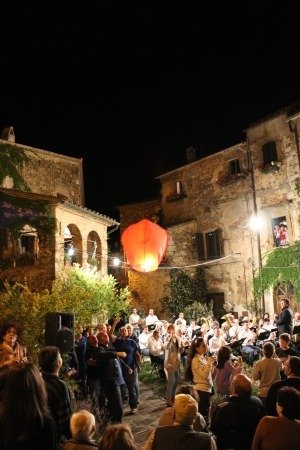
Montemerano is the sort of town you linger in not for the attractions, but for the atmosphere. At its heart, the Piazza del Castello is home to the town’s most beautiful houses. Built for medieval royalty, they have been lovingly maintained by their current owners, many of whom spend their days sitting in their courtyard gardens gossiping or watering the bright blooms that grow out of converted wine barrels.
Don’t miss:
A walk inside Montemerano’s old wall. Piazza del Castello is nestled at the centre of a maze of beautiful streets. Small and tight, these streets are no place for cars, so they’ve remained unaltered for centuries. Jasmine vines and willow trees cover sections of the walls, while every couple of metres, you’ll stumble across a tiny courtyard or an unmarred view of the surrounding countryside.
Chiesa di San Giorgio:
Montemerano’s principal attraction is a small medieval church dedicated to its patron saint – Saint George the dragon slayer. All of the town’s most precious artefacts are here, from a statue carved from the trunk of an oak to bright and intricate frescoes of Saint George slaying the dragon and rescuing the princess.
Via principale:
Montemerano’s main strip has a colourful collection of knick knack stores and restaurants. Here you can pick up hand-stitched linen and carved wooden chopping blocks. At one end is a treasure trove of homemade preserves and sauces and beautifully wrapped spices.
Where to eat:
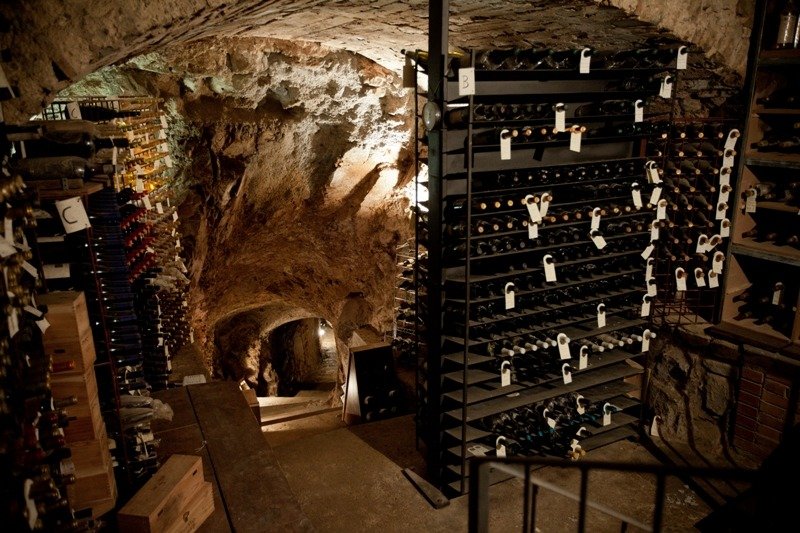
Da Caino: The Maremma’s most famous restaurant sits in a quiet corner of Via della Chiesa. Singlehandedly renowned for transforming traditional Maremman fare into the stuff of haute cuisine, Da Caino serves up seasonal dishes like Lumache alla mentuccia con funghi porcini e cialda al bergamotto (snails with porcini mushrooms and Cinghiale con finocchi, gelatina di arance e olive (wild boar with fennel, orange jelly and olives) at a very pretty penny. Head chef Valeria has two Michelin stars and is one of Italy’s best.
Passaparola nell’antico frantoio – Ristorante Enoteca: A much more affordable alternative, this family-owned restaurant is just off the main strip on Vicolo delle Mura. Its dishes are rustic and its homemade pastas legendary. During the colder months, the head chef creates culinary magic in the form of roast wild boar and braised hare.
Il Moro
Pizza in the Fiora Valley is ridiculously cheap and surprisingly gourmet. The Maremmani only eat its one way – with a thin base and minimal seasonal toppings. At pizzeria Il Moro in Via Conti, the margherita and capriciosa are unlike anything you’ve ever eaten at home!
Where to sleep:
B&B La Piaggia is by far the best place to sleep in Montemerano. It’s cosy and is family owned, so you get a real sense of what it would be like to live with a Maremman family.
When to visit:
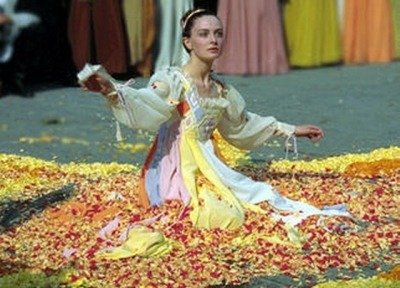
Montemerano is beautiful all year around, but if you’re lucky enough to be here for the Festa di San Giorgio then you’re in for a real treat. For one weekend in April, the town is transformed into a medieval village. Everyone has a part to play from the craftsmen in the via principale to the royal court in Piazza del Castello. There are children’s games and re enactments, as well as free medieval food and drink. But the highlight of every festival is the huge paper balloon. Launching this balloon is a local art form and a good flight is meant to symbolise a good harvest for the year.