
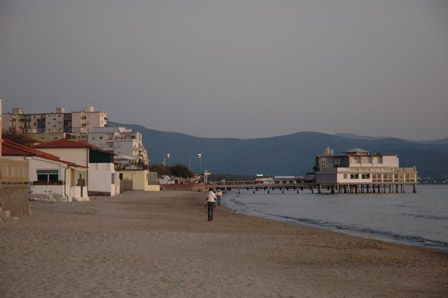
My husband promises me that 15 March will be start of spring here in the Maremma.
I’m still waking up with chilblains, so I’m dubious, but I will give him the benefit of the doubt if only to have an excuse to share my tastes of the new season. These are the flavours, dishes and products that define the Maremma Tuscany in spring.
Italy is all about the seasonal and traditional, so if you want to experience the very best this very beautiful country has to offer then try these:
Baccala alla Maremmana 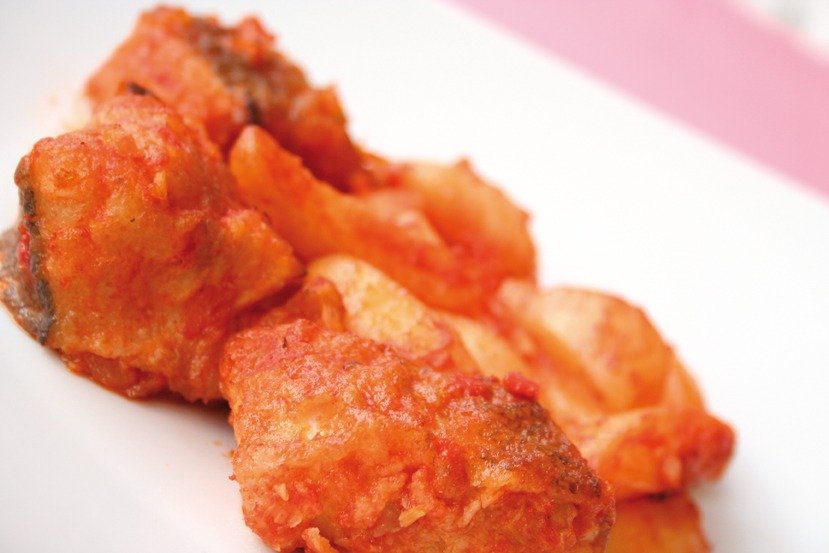
I come from a Calabrese family, so baccala was part and parcel of my childhood. I can’t say I was glad about it. No one wants to grow up on salt cod.
The older I get though, the more I appreciate this Italian delicacy.
Preparing baccala takes a bit of work. You have to buy the thick slab of salted cod, soak it for a couple of days to soften it up, rinse it about a thousand times to get rid of all the salt and then drown it in lemon juice.
If you want to try it at home, here’s my grandmother’s recipe.
If you are, like me, not brave enough to tackle this fishy behemoth, keep an eye out for it on menus everywhere in the Maremma this spring.
When cooked properly, baccala is flaky and sweet. It has a really delicate flavour. It’s not salty at all, but is a lovely textured and juicy white fish.
My grandmother would flour it and fry it, but in the Maremma, we cook it in a rich and garlicky tomato sauce. Yum!
La vacca Maremmana 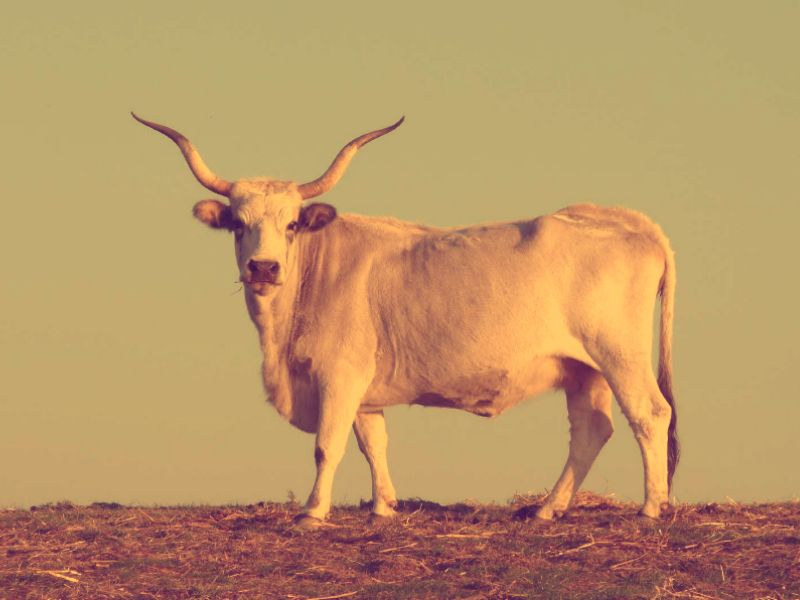
Spring = lamb, right? Well not in the Maremma.
We are not lamb people. Most Italians aren’t. They whine endlessly about how the meat tastes too strong and then refuse to eat it – I am drawing inspiration for this soliloquy from my husband.
And besides, why would we eat lamb, when we have our own breed of cow? The vacca Maremmana is raised almost everywhere in the province, but the biggest herd is in Alberese near the Parco della Maremma in Grosseto.
The Azienda Agricola Alberese sells vacuum-packed beef for you to take home and enjoy. The vacca Maremmana isn’t as famous as the Angus or Wagyu simply because it doesn’t make a great steak.
Maremman cows are raised in the wild rather than in pens with massages. They wander all over the Maremma, which means they’re a gamey, but tough meat. You can pick this breed apart from its country cousins by its distinctly curved horns. You can see them grazing at the Parco della Maremma. They’re really a beautiful sight.
Vacca Maremmana is considered Slow Food, which means it’s a true traditional local product. The meat is best enjoyed in slow cooked stews and in ragu sauces where the gamey flavour shines.
Liquore al mirto 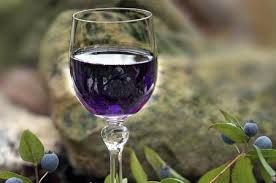
As Italian digestifs go, nothing can beat the ubiquitous limoncello. But if you’re looking for something different in the Maremma, give liquore al mirto a go.
When I first saw this liquor, I thought it was made from mirtilli (blueberries) and took a huge slug expecting to taste something deliciously sweet and akin to creme de cassis.
Boy was I wrong. Liquore al mirto is actually made from myrtle berries, a type of medicinal plant. It’s bitter and aromatic on the palate – mostly bitter.
This liquor is an after-dinner favourite in the Maremma. It’s made in vast quantities and fantastic quality in Capalbio by Cipriani Liquori. You can buy a bottle from their store in town.
Pecorino
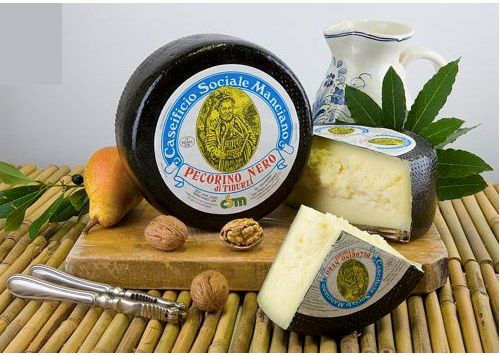
Pecorino is everywhere in Italy, but before you brush it aside, we Maremmans make one of the country’s best up-and-coming varieties.
In Manciano, the Caseificio di Manciano is making waves with its Pecorino Nero di Tiburzi. Tiburzi was a 19th century brigand who holds cult status in the Maremma – a bit like an Italian Robin Hood, except he wasn’t as nice as that tight-wearing crusader.
This pecorino is made from sheep’s milk and salt. It’s aged for between 20 days and six months. The flavour is simple and genuine Maremman goodness.
The cheese is creamy and melts in your mouth, but has a slight sharpness to it too. We love it with walnuts and millefleur honey, and you can buy it from the Torre del Formaggio in Manciano.