
The world is obsessed with Eataly, the mega gourmet supermarket franchise that started in Northern Italy and now has stores in North America and Japan co-owned by some big name Italo-American chefs.
To be perfectly honest, we Maremmani have never heard of it. Not that that’s a surprise. We don’t get a lot of big city trends in country Tuscany unless you count Ikea – we love Ikea!
The only gourmet supermarkets in our neck of the woods are Coops – the conveniently named co-op with communist sympathies that are really just supermarkets, unless you consider rotisserie chickens gourmet.
You’re probably thinking that a true country Tuscan shouldn’t be shopping in supermarkets anyway – markets and delis and local butchers are where all true country Tuscans shop. You’re probably right. I have no idea.
But I do have some tips on how you can try the best local products during your Maremman vacation. The key is to be a savvy shopper and accept that sometimes, the best produce isn’t sold in that beautifully decked out gourmet deli with English signs.
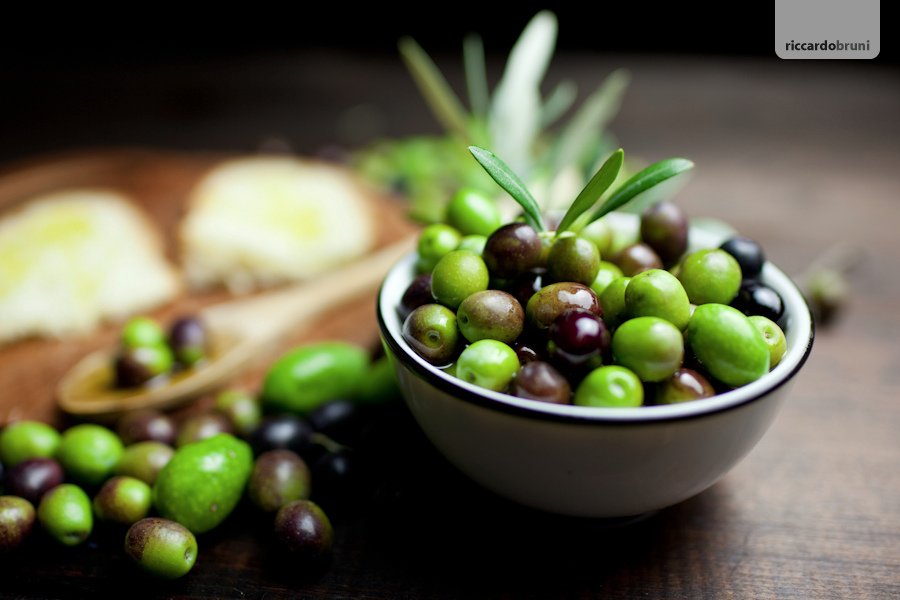
Olive oil
The Tuscan elixir and an apt place to start since it’s currently olive harvesting season. Like every year, I hiked up my sleeves and helped my father-in-law gather the olives from his 30-something trees.
New harvest olive oil is meant to be eaten raw, drizzled on toasted bread or steamed vegetables. It has a fruity taste – in other words, it tastes like the raw olive and I’m not talking about the ones you buy in a jar. If you’ve ever eaten a raw olive, you’ll know it’s extremely bitter.
Just because you’re in Tuscany, doesn’t mean you’re buying Tuscan or even Italian olive oil.
As a general guide:
- Check the harvest date on the bottle – oil is not fine wine, it doesn’t get better with age
- Always buy it in tins or dark-tinted bottles – sunlight is olive oil’s natural enemy
- Look for the estate name – if you want Italian olive oil, you have to do some research on where the estate is based. Produced in Italy does not mean it’s made in Italy or even made with Italian olives

As for Maremma specific tips:
We have a lot of local producers who sell direct to the public. If you live in the EU, you can approach small scale farmers. Look for signs like “olio vendita al pubblico”.
Your oil will usually be packed in recycled mineral water bottles, a bit like what my father-in-law uses and probably won’t get past border security.
If you’re looking for something more professional, check your local Strada del Vino. They have an online guide to all the local olive oil makers.
You can also keep your eyes peeled for frantoi like Frantoio Maremma in Grosseto. These olive oil mills grind local olives, keeping a portion for themselves, which they then sell to the public at great wholesale prices. If you want to find one near you, type “frantoio maremma” into Google and you’ll get plenty of hits.
Seggiano is the Maremma’s olive oil Mecca. They make some of Tuscany’s best and are one of the only olive oil producers to use one type of olive instead of a mixture. It doesn’t get any purer than that!
When it comes to using your olive oil, forget extra virgin, extra extra virgin etc. You don’t need 50 types of olive oil. In the Maremma, we only use one type – olive oil.
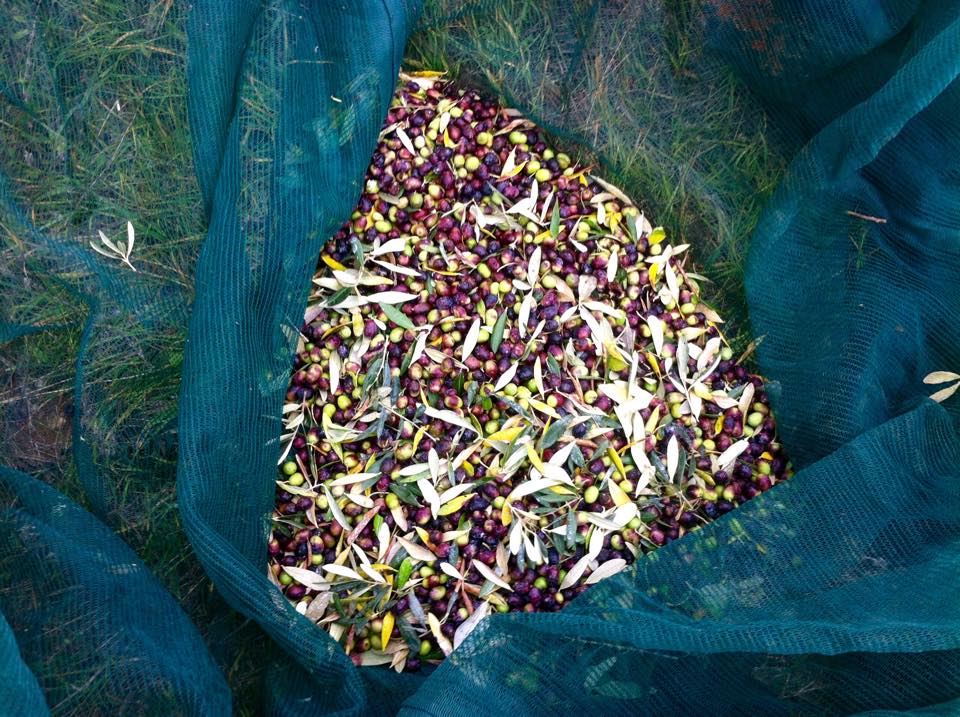
The distinction is in the harvest date (Oct-Dec):
- 1-3 months from the harvest date: Save this for bruschetta or to drizzle raw over a finished dish
- 3-9 months from the harvest date: Use this for salads, when you’re mixing it with other strong flavours like vinegar, but still eating it raw
- 9 months- 2 years from harvest date: The olive oil has lost a lot of its raw flavour, so you can cook with it
- 2 years from the harvest date: Chuck it, it’ll taste like wet straw and mould
There is a lot of talk about IGP and DOP. These are European regulations that ensure the olive oil is produced where it says its produced from olives grown where it says they’re grown. It’s a good guide, but it can be duped.

Here are my top local producers:
- For biodynamic olive oil, you can’t go past Fattoria La Maliosa, pictured above
- Seven artisanal olive oil producers have come together to make Olio di Maremma
- Frantoio San Luigi in Gavorrano has been making the best since 1992
- Pure class and purity from Seggiano’s best know olive oil producer, Il Silene